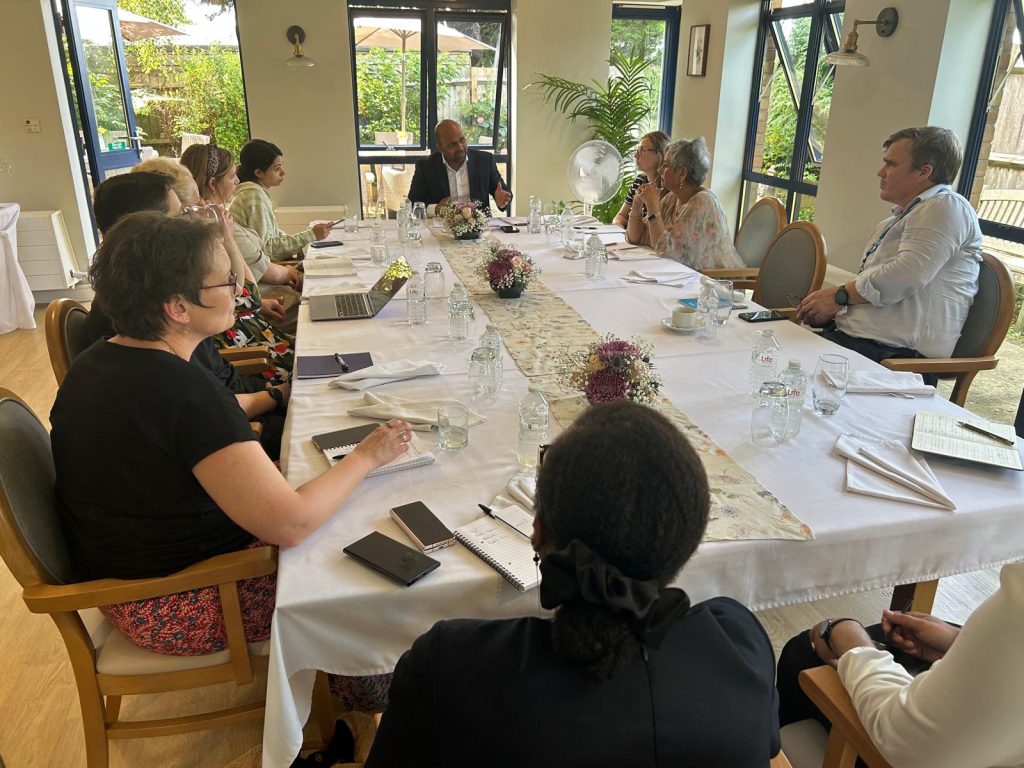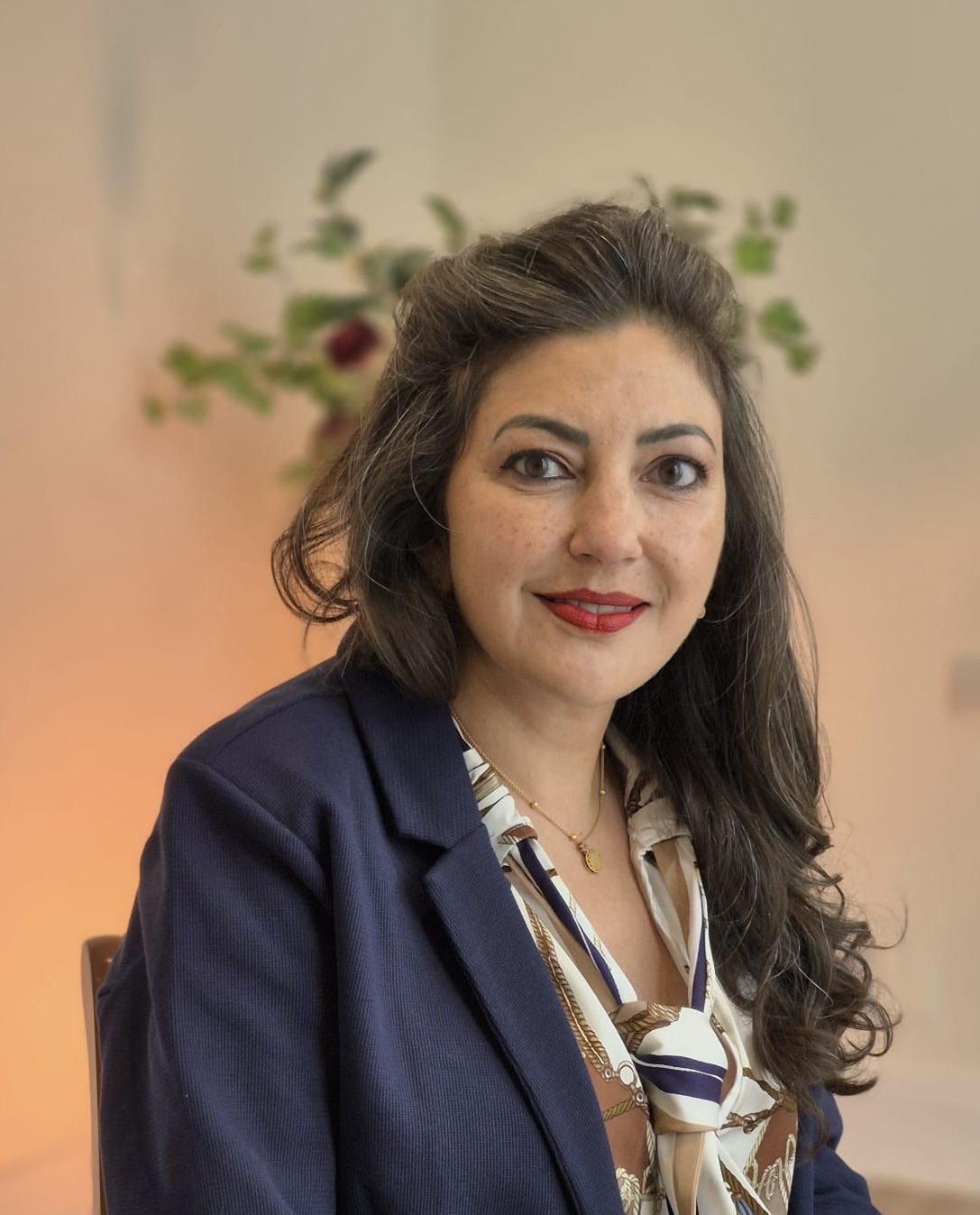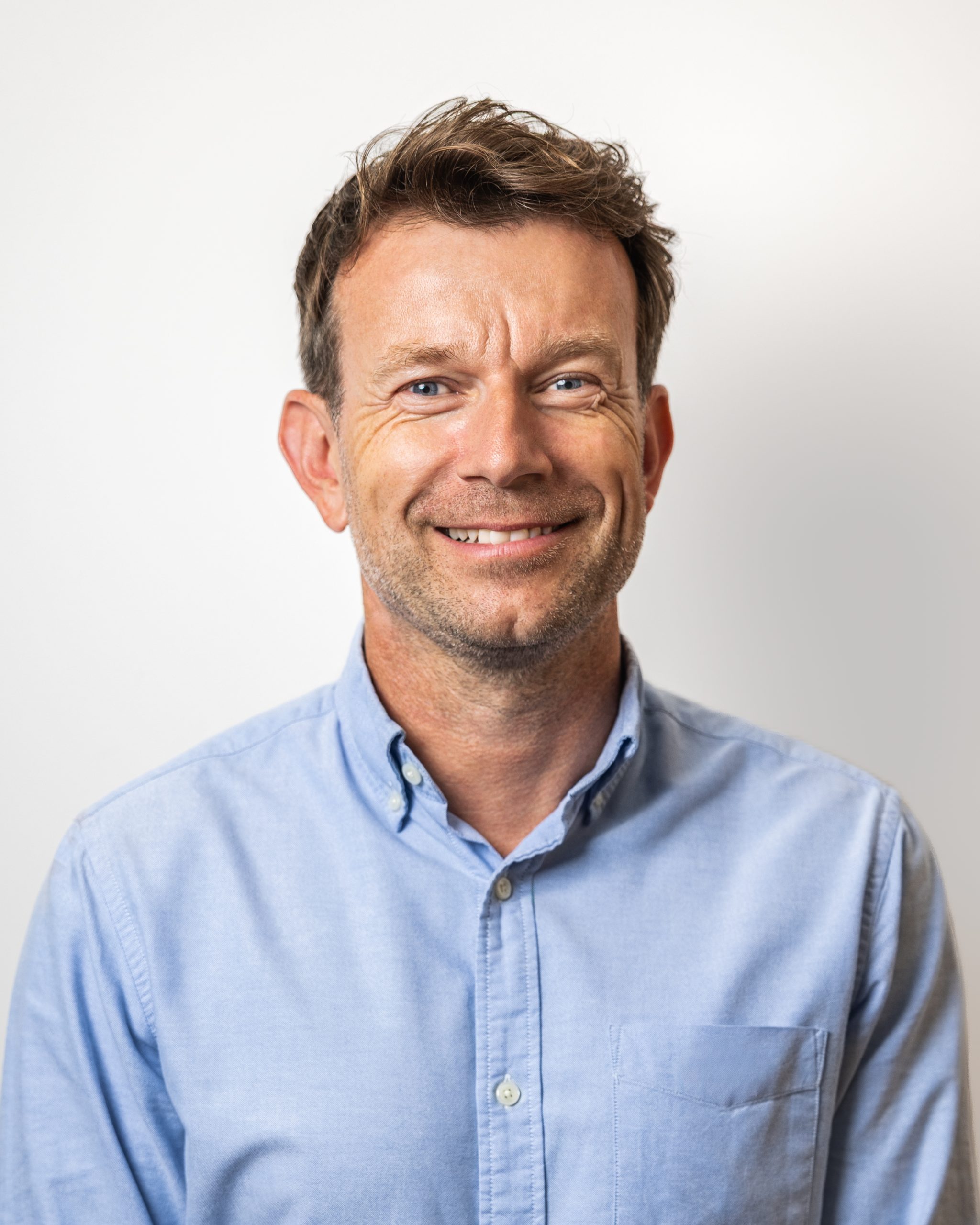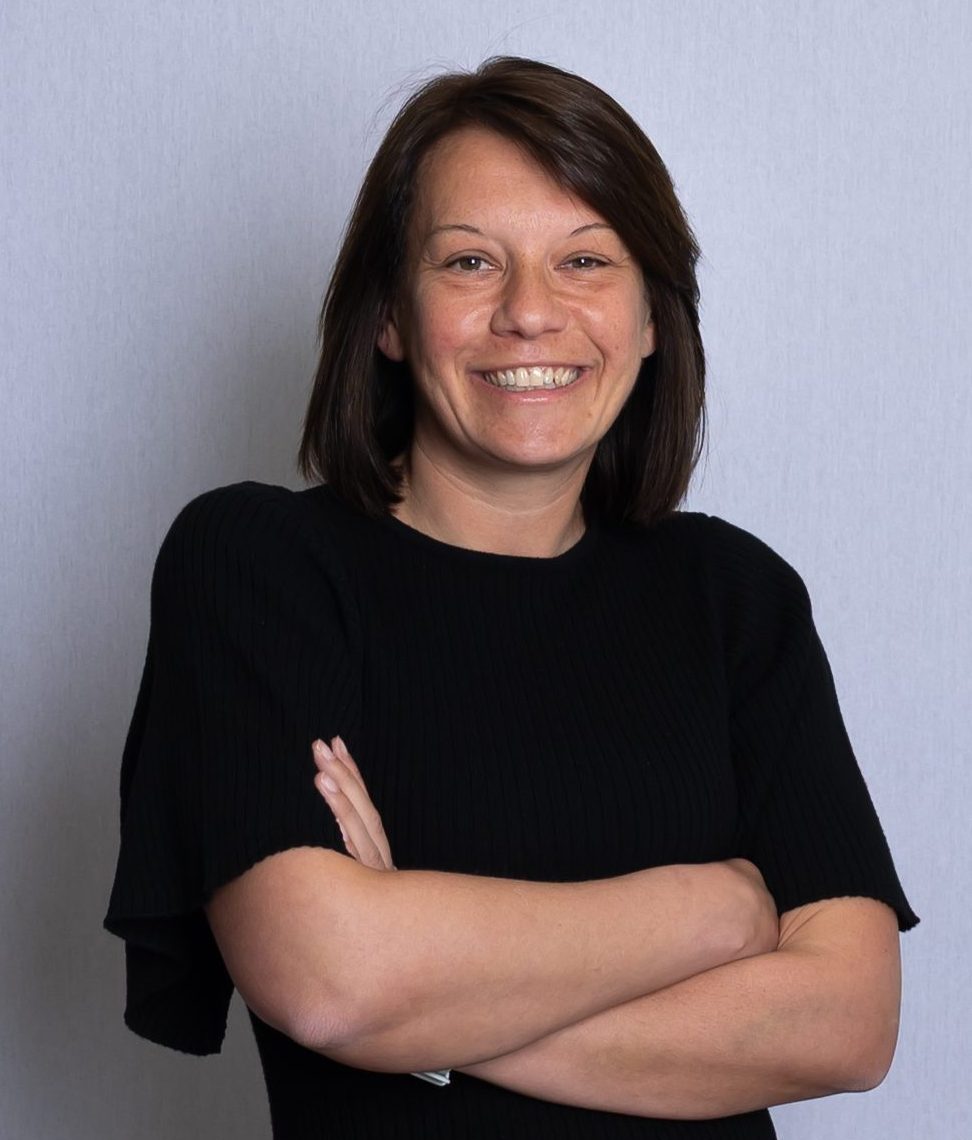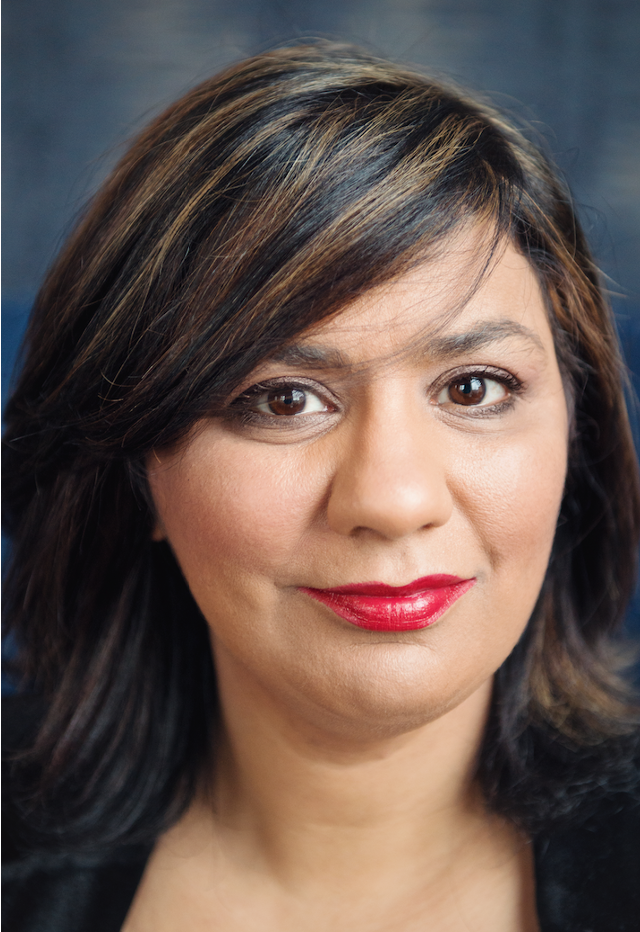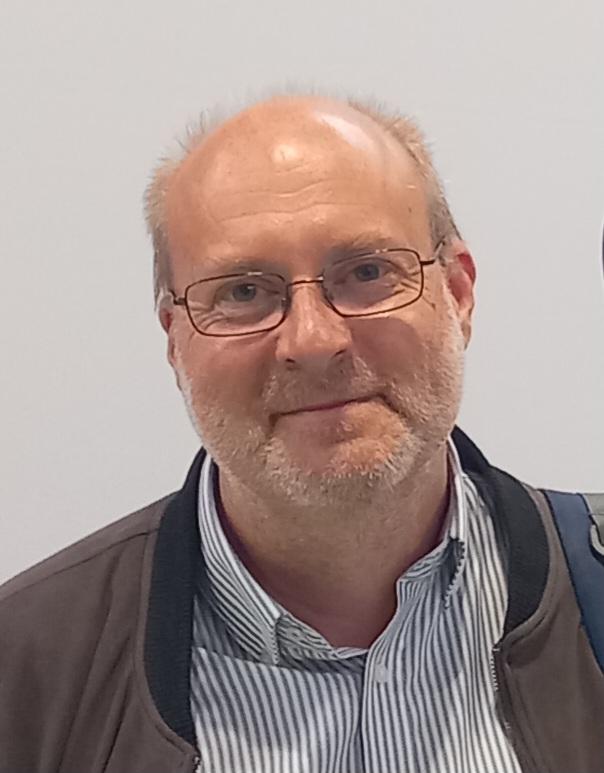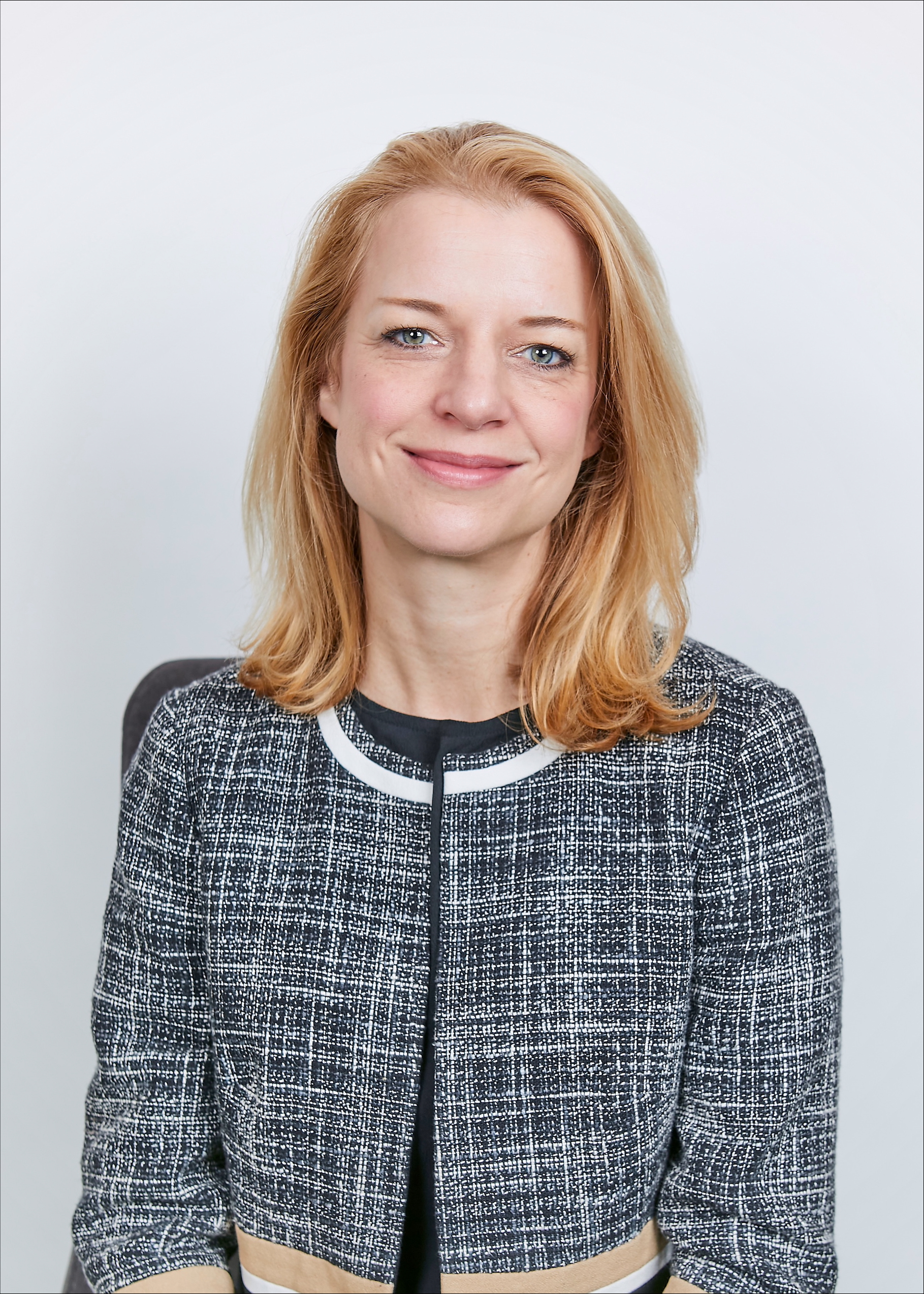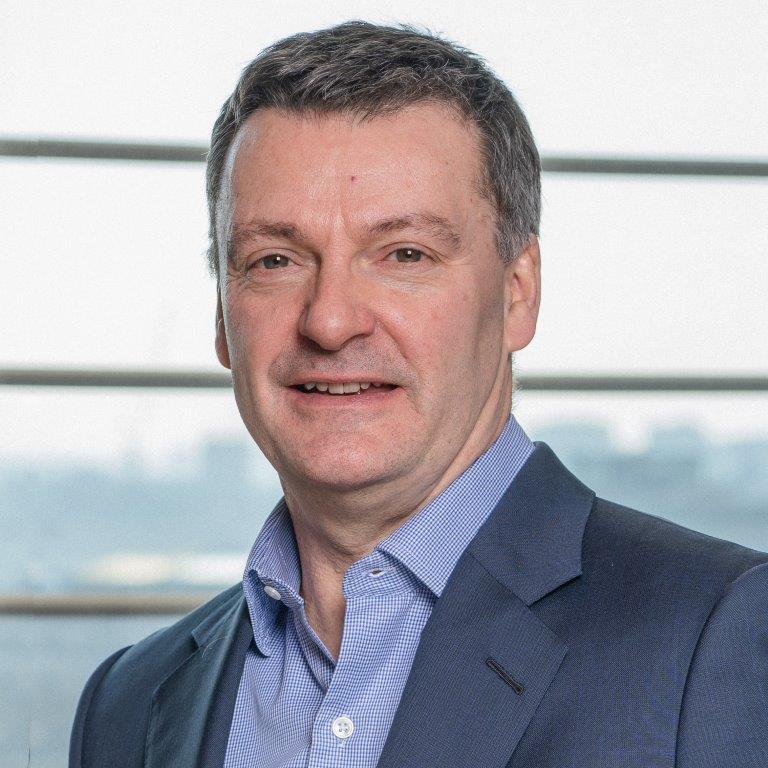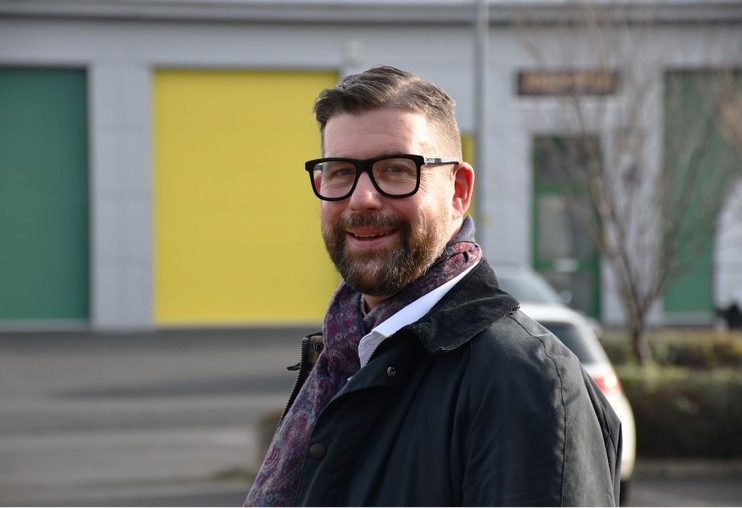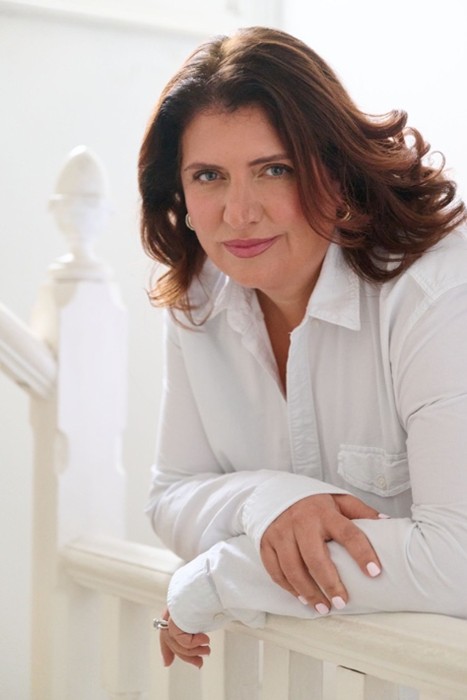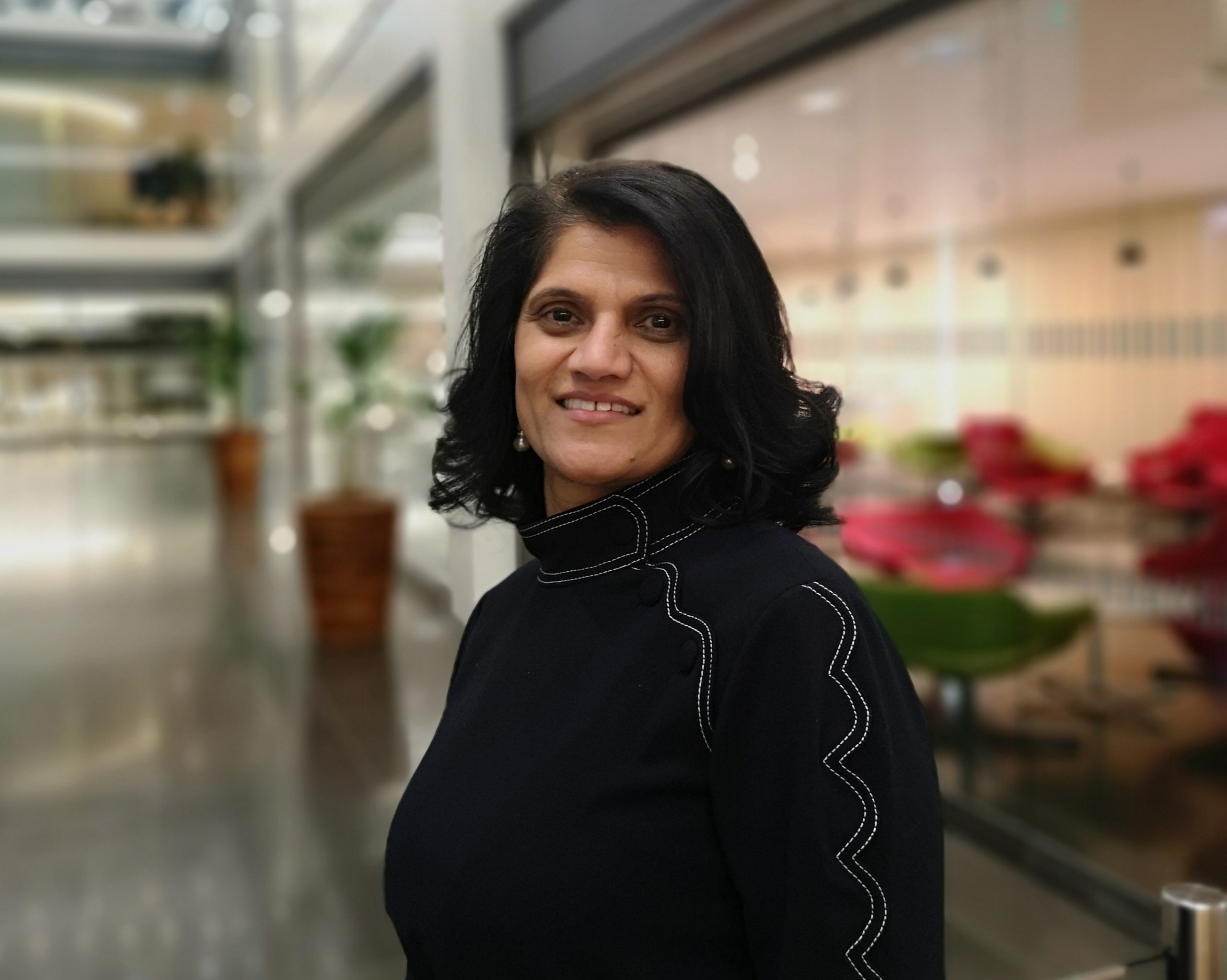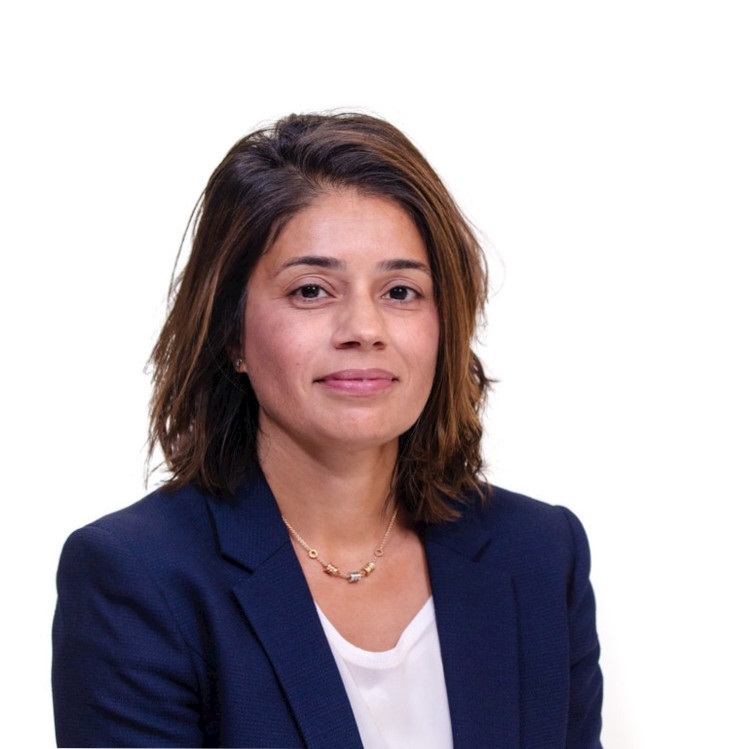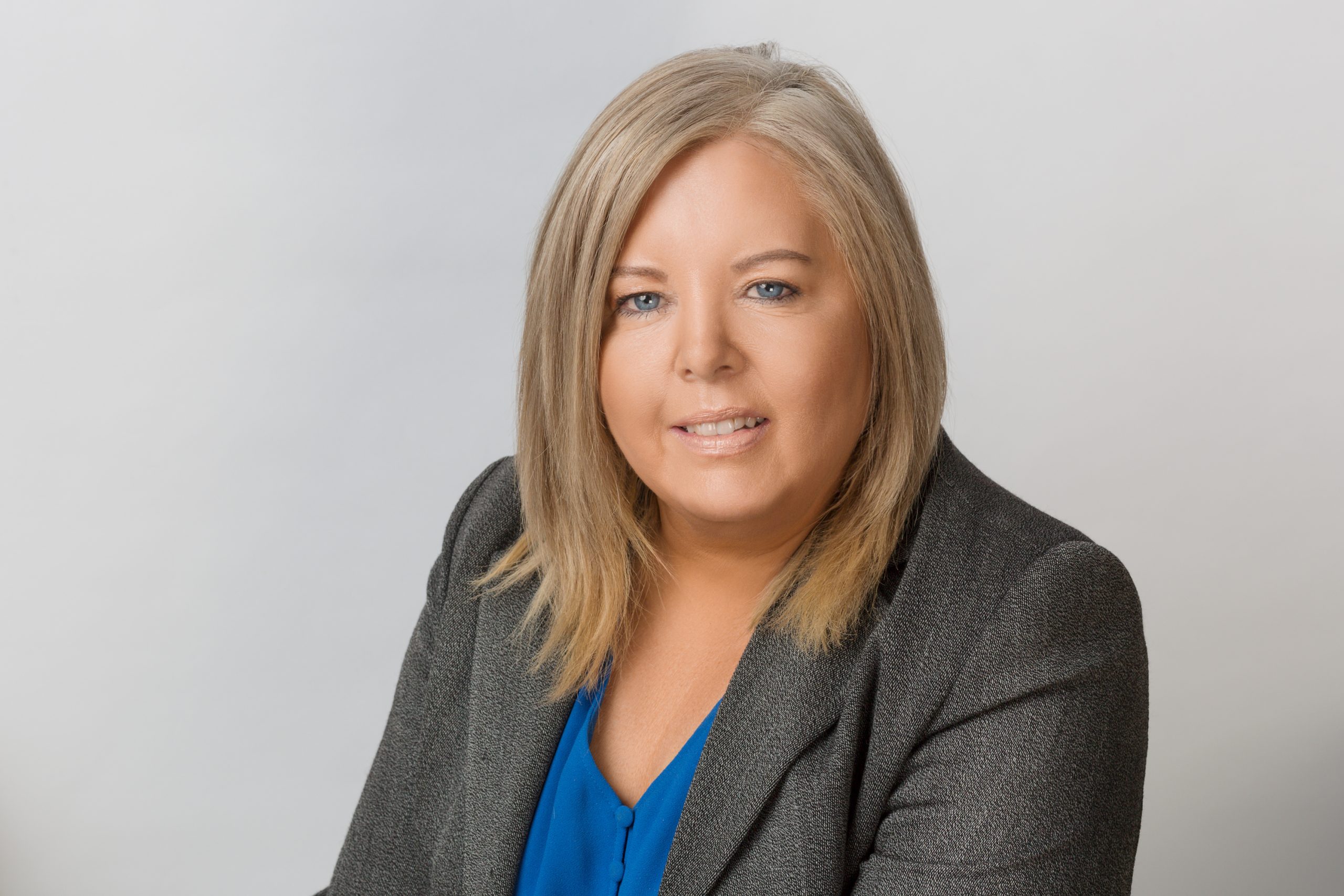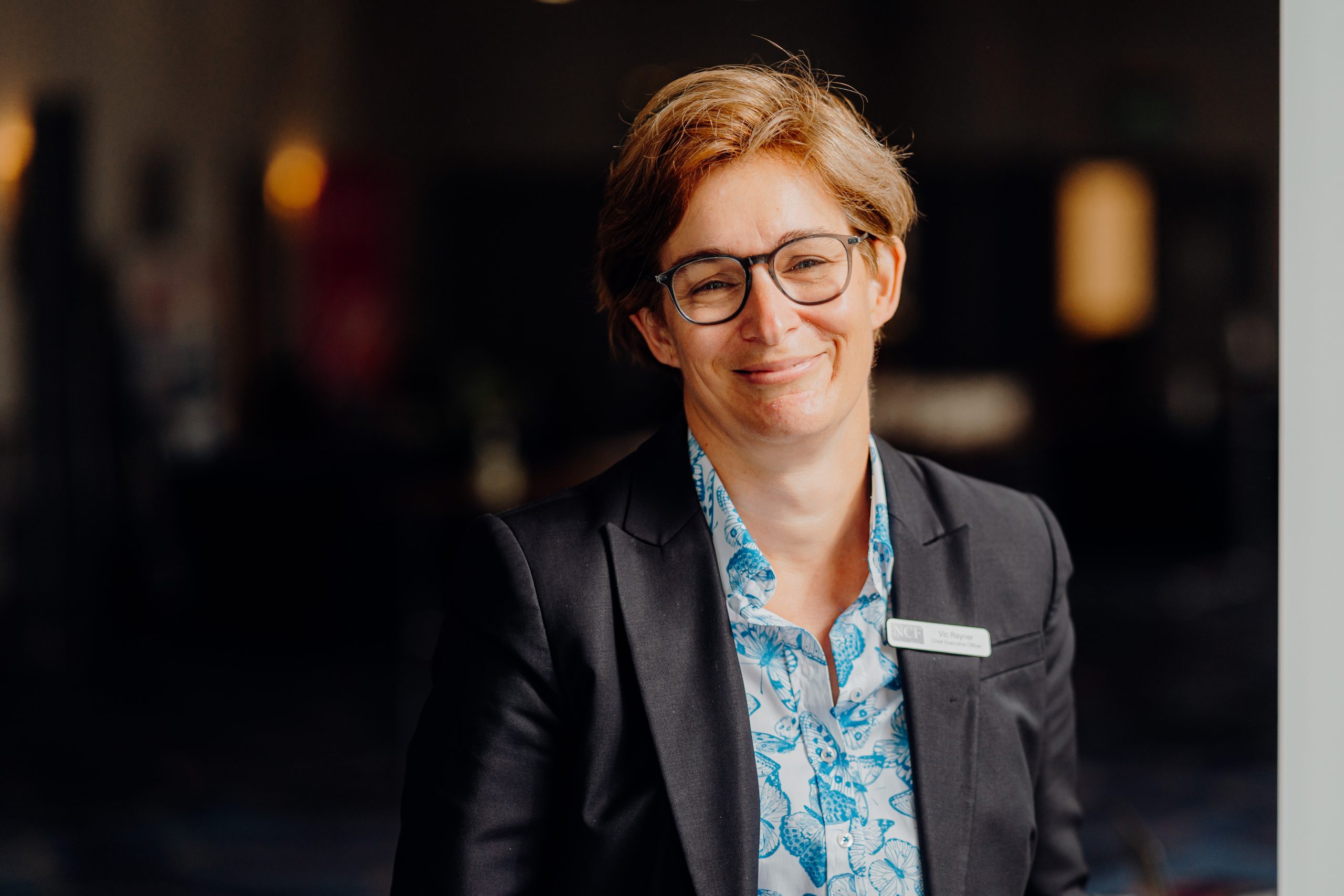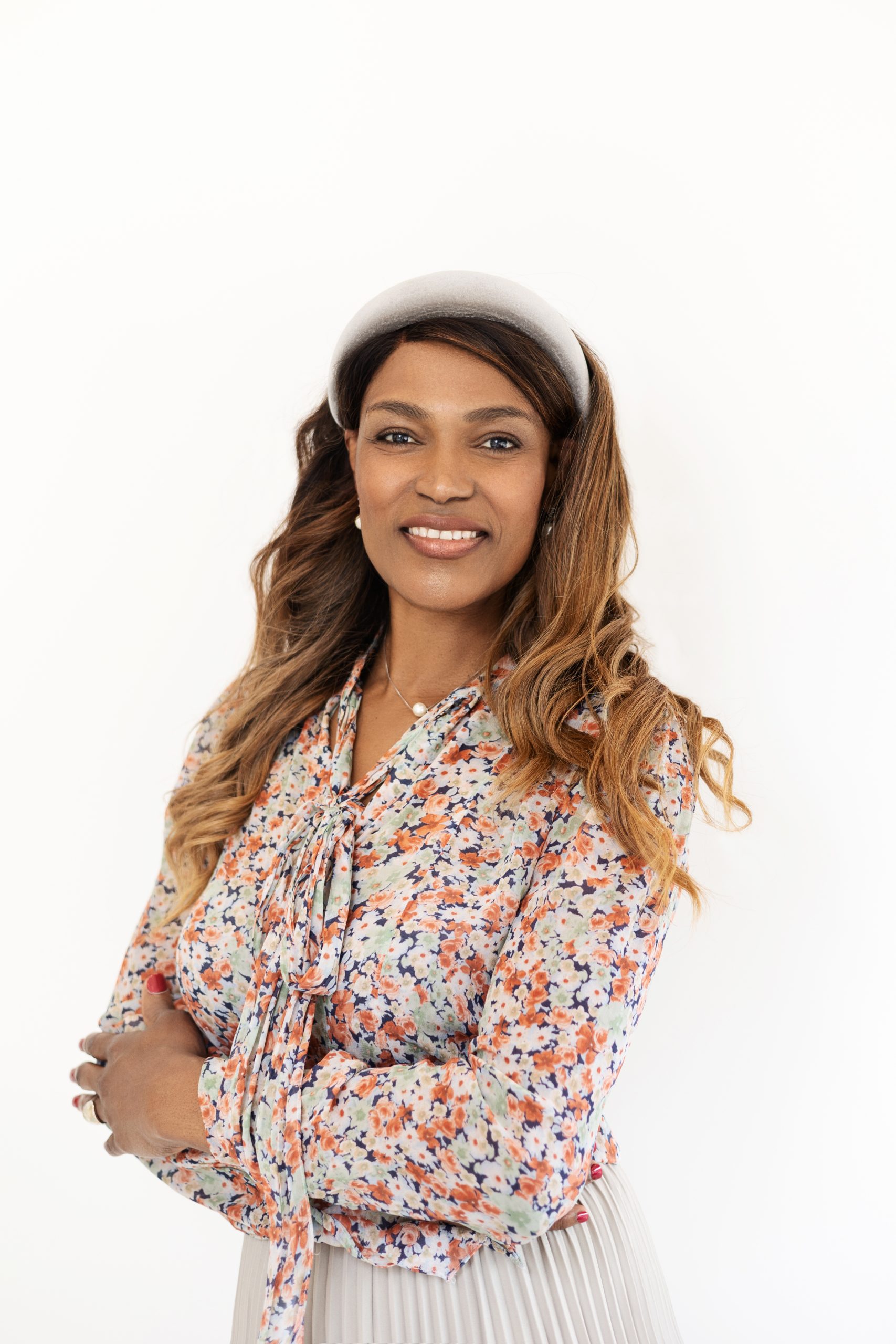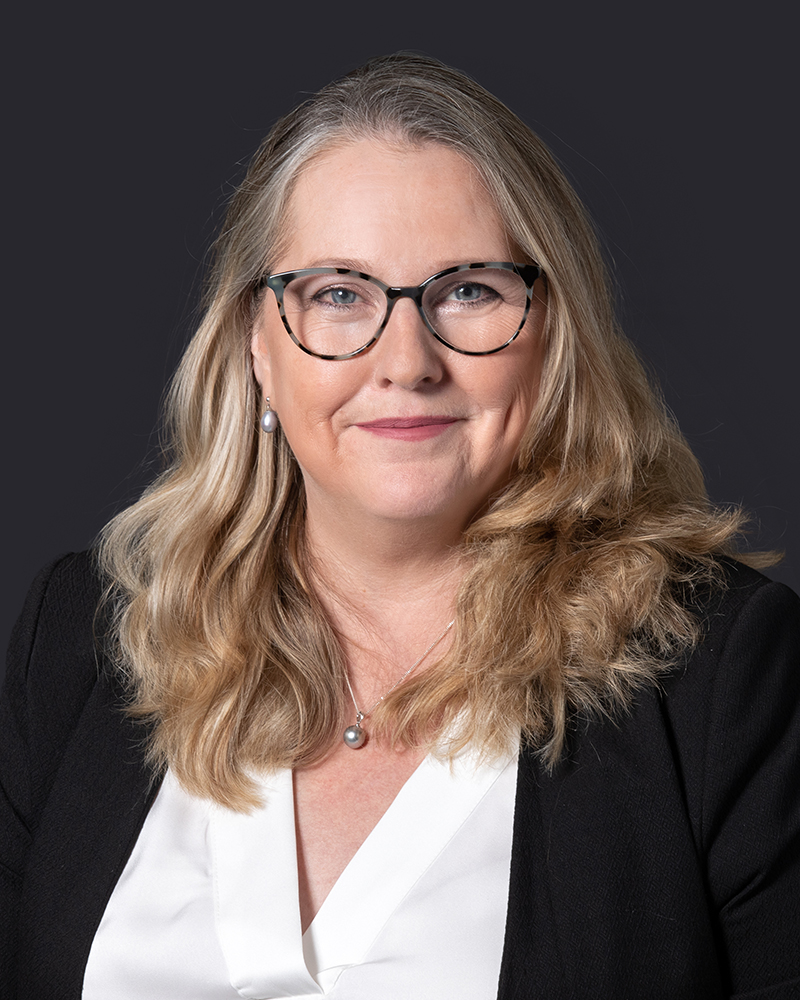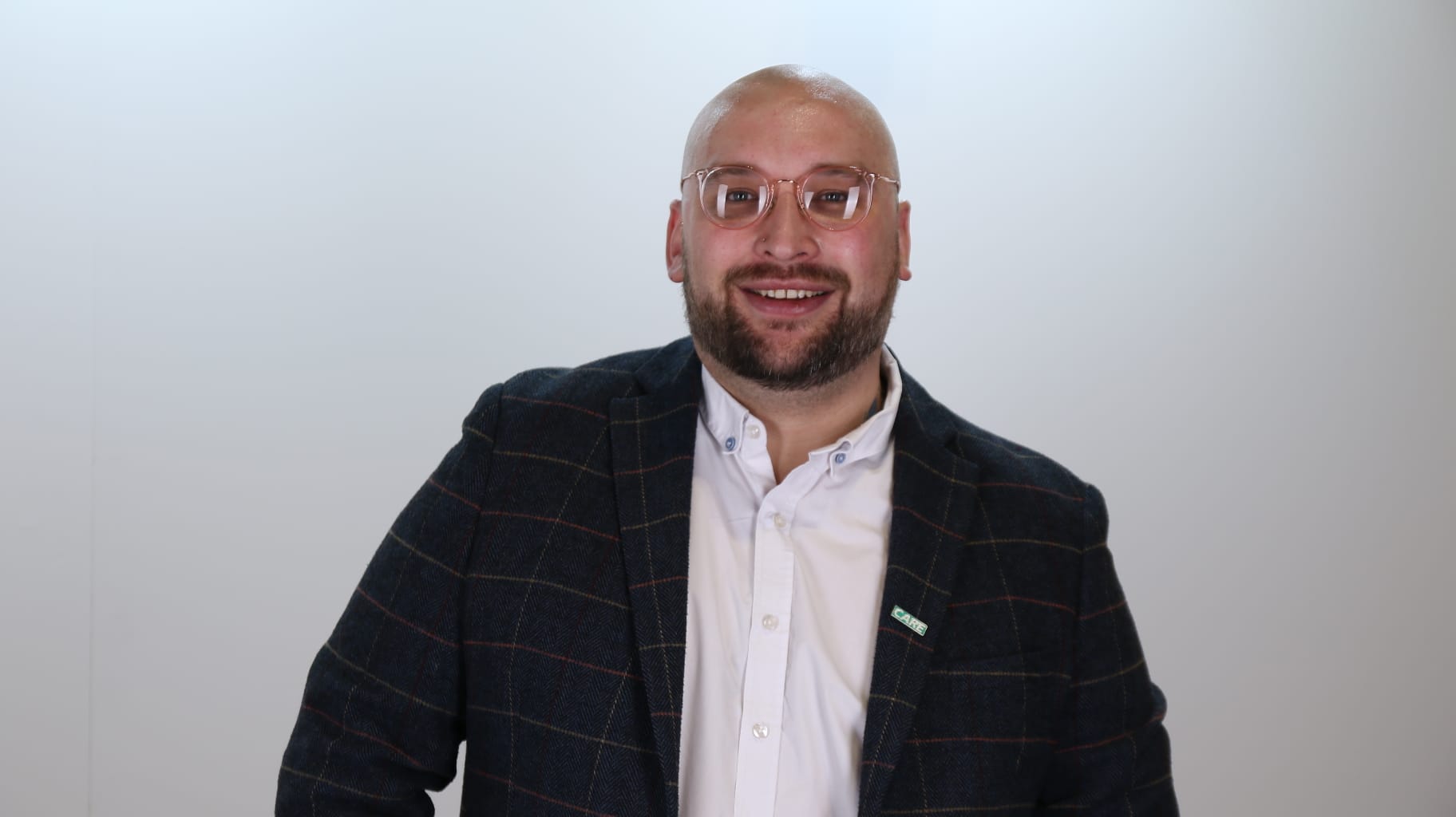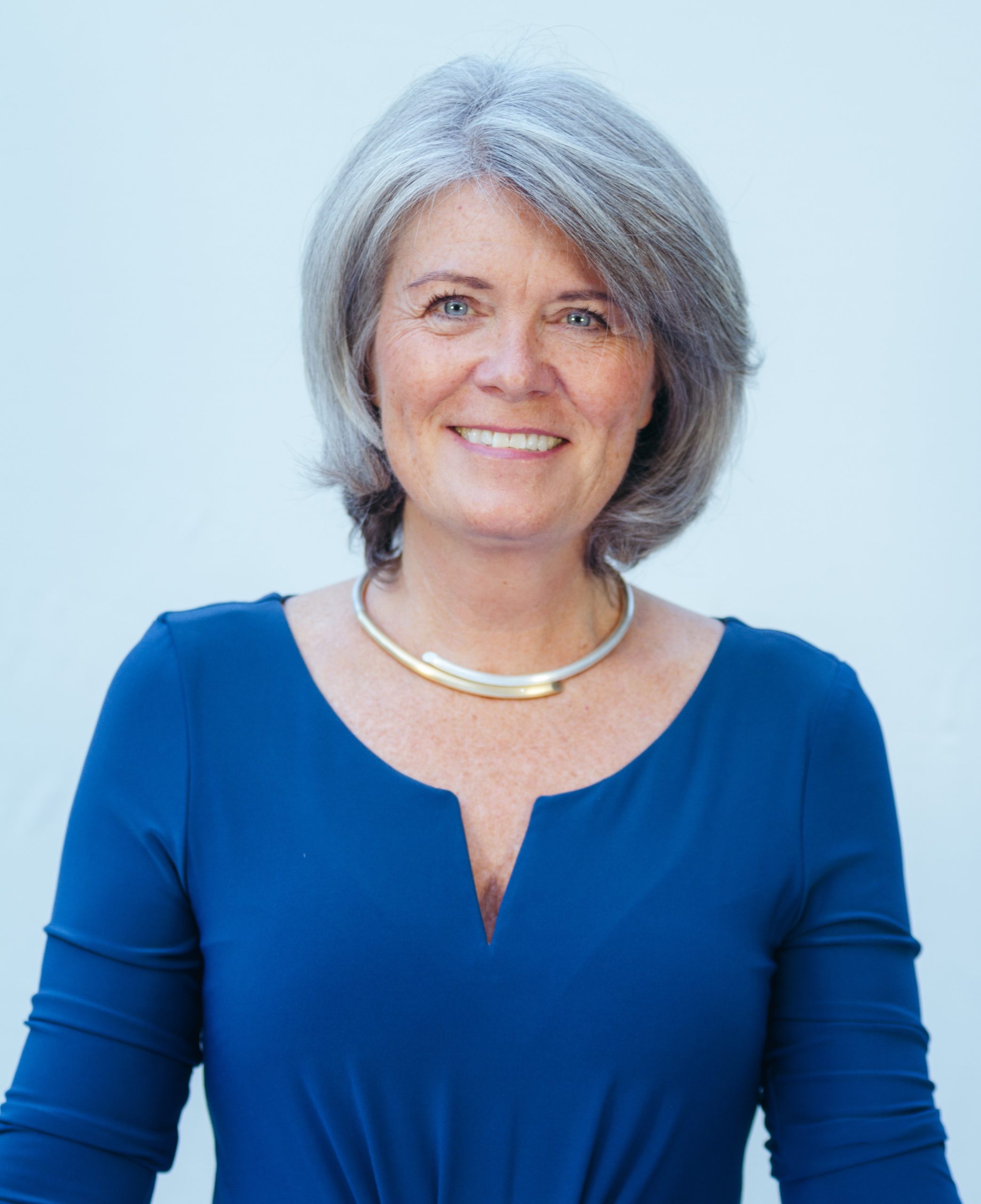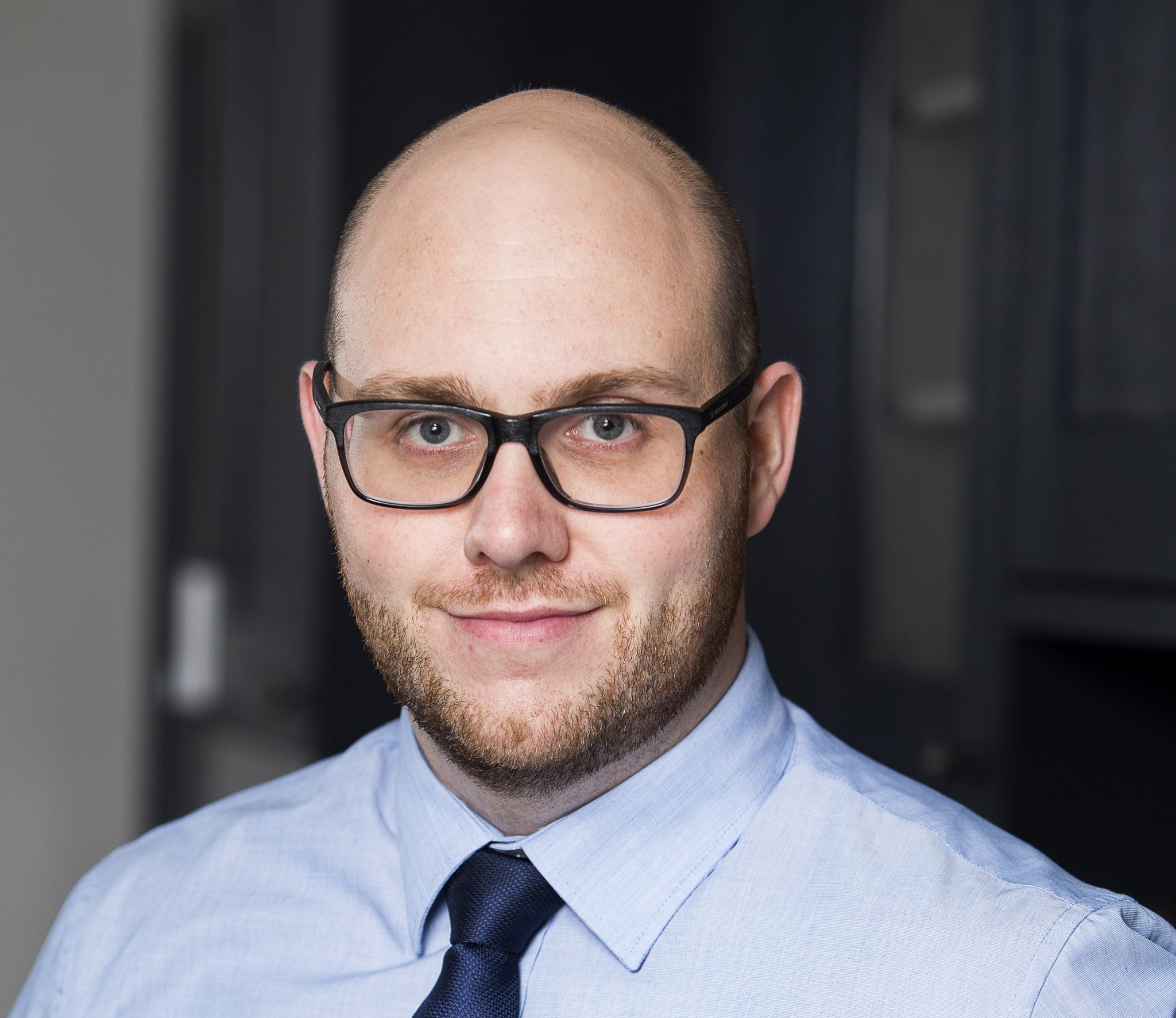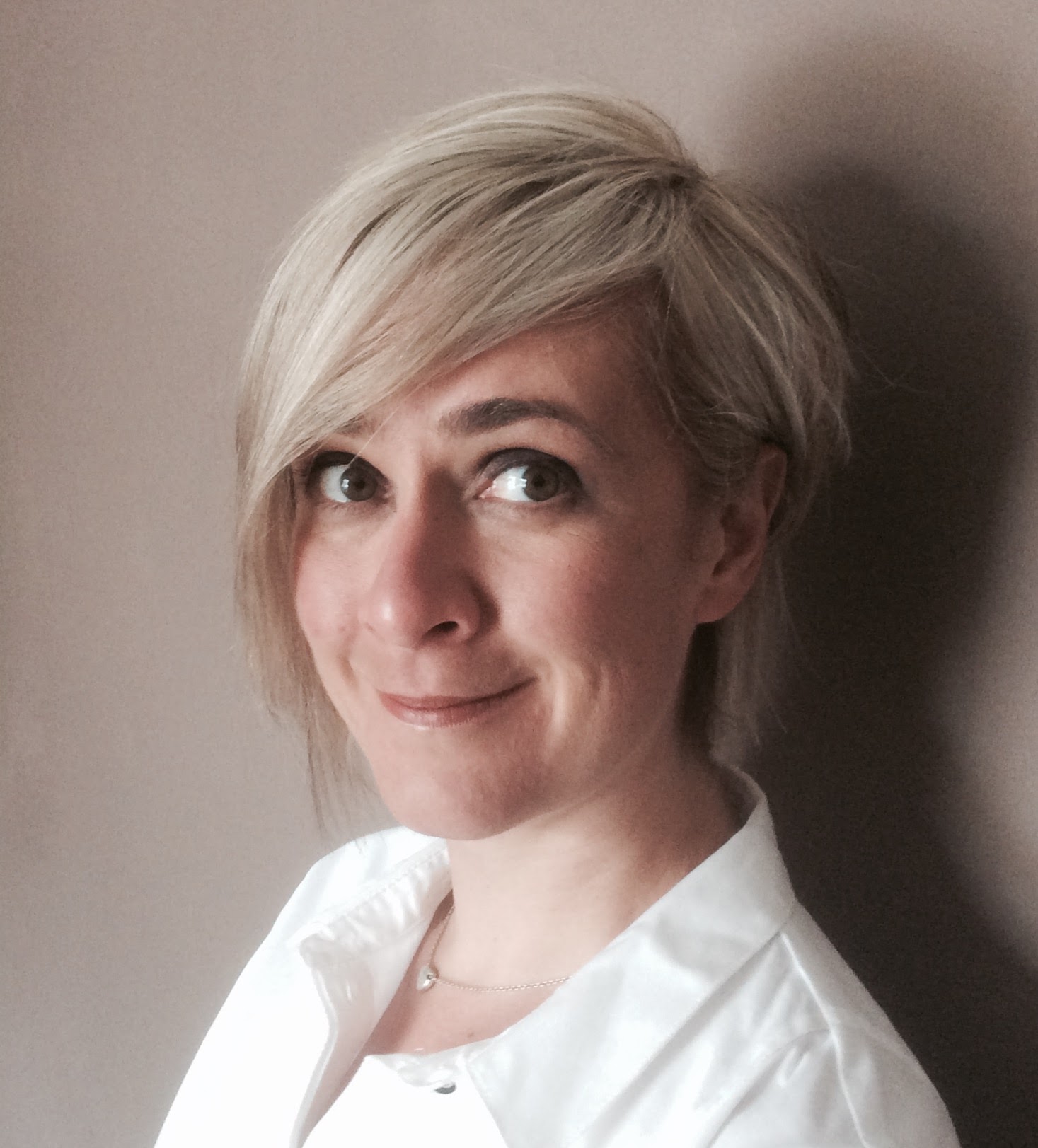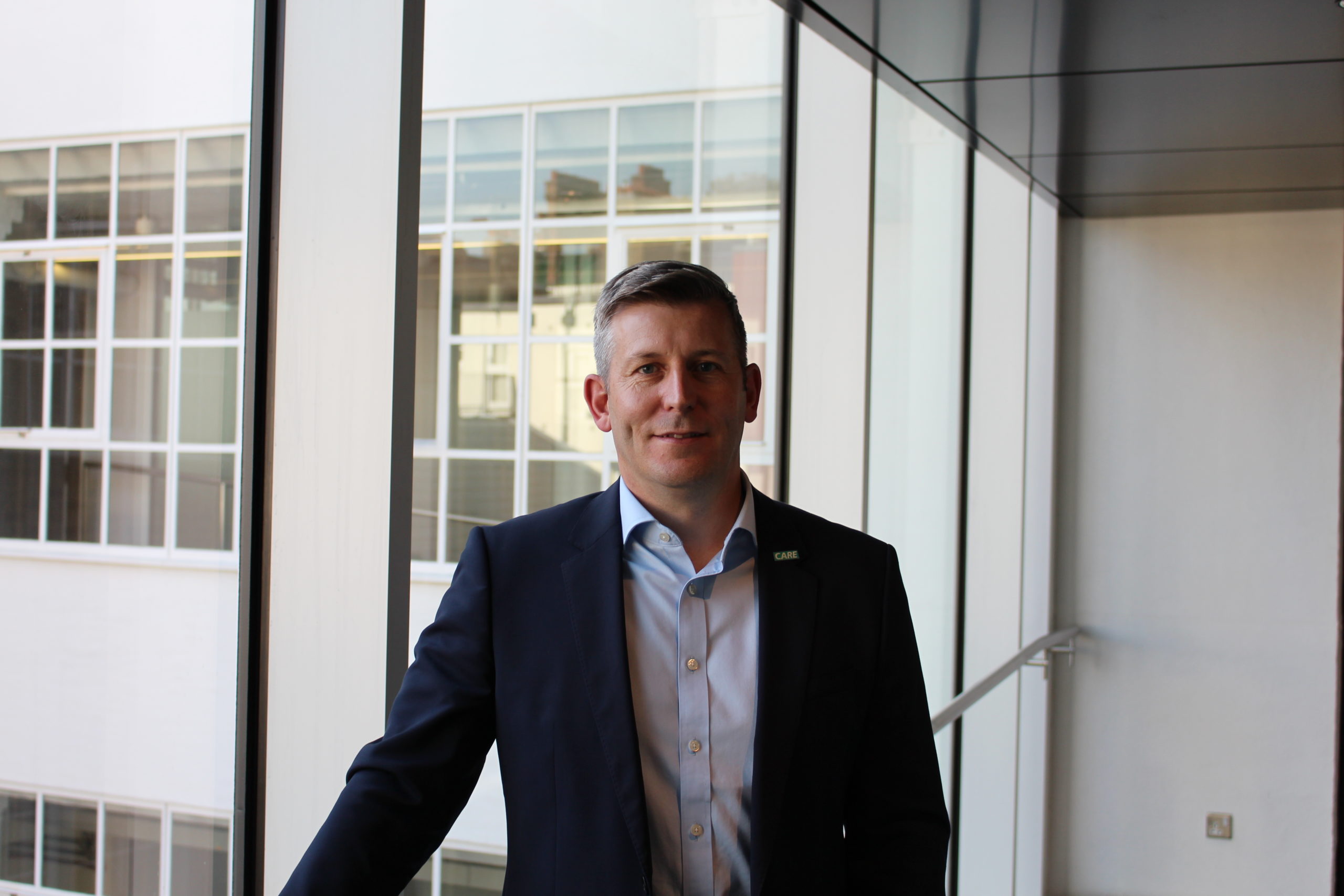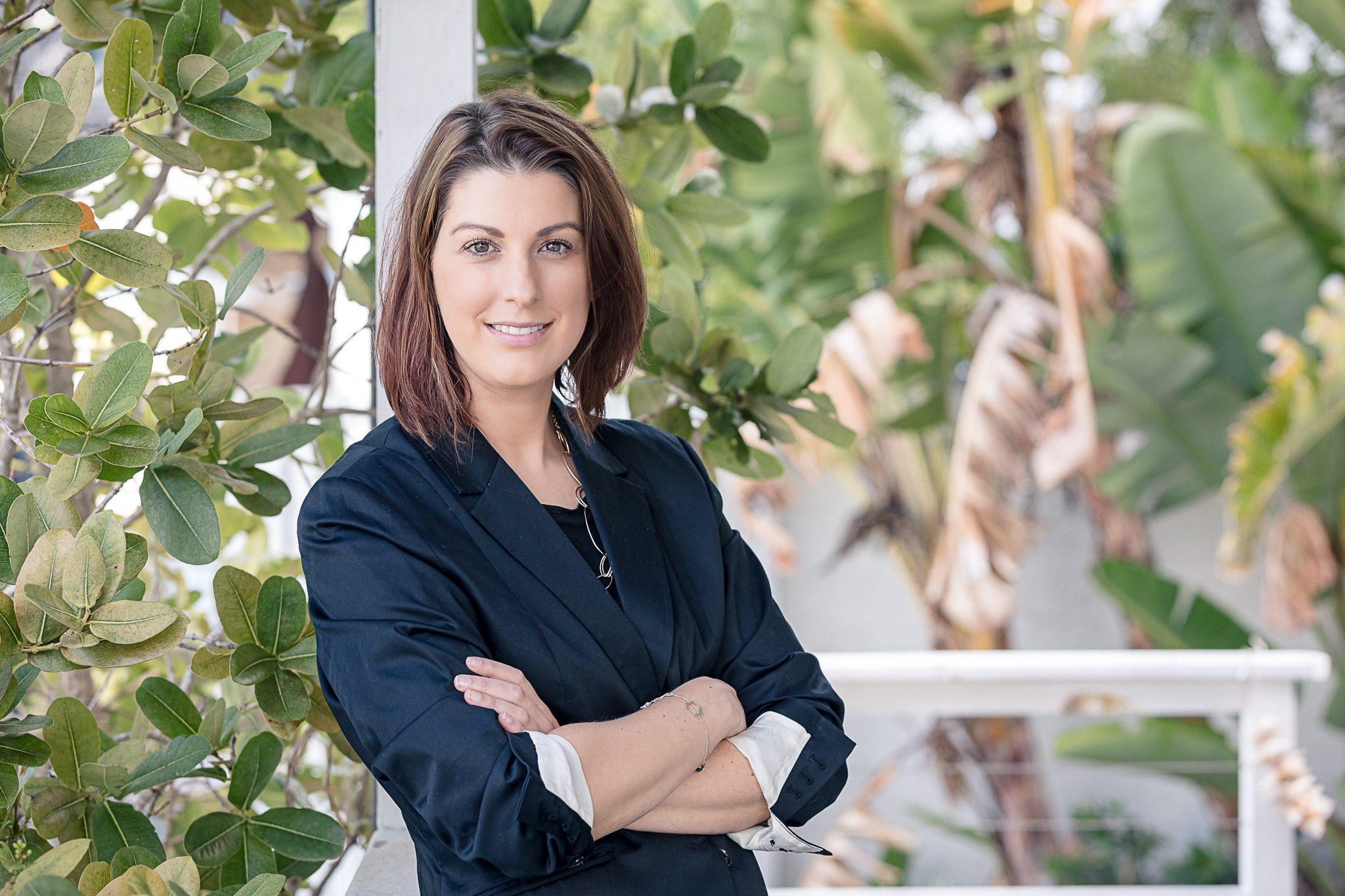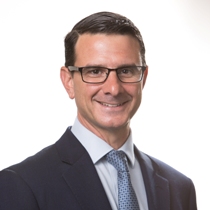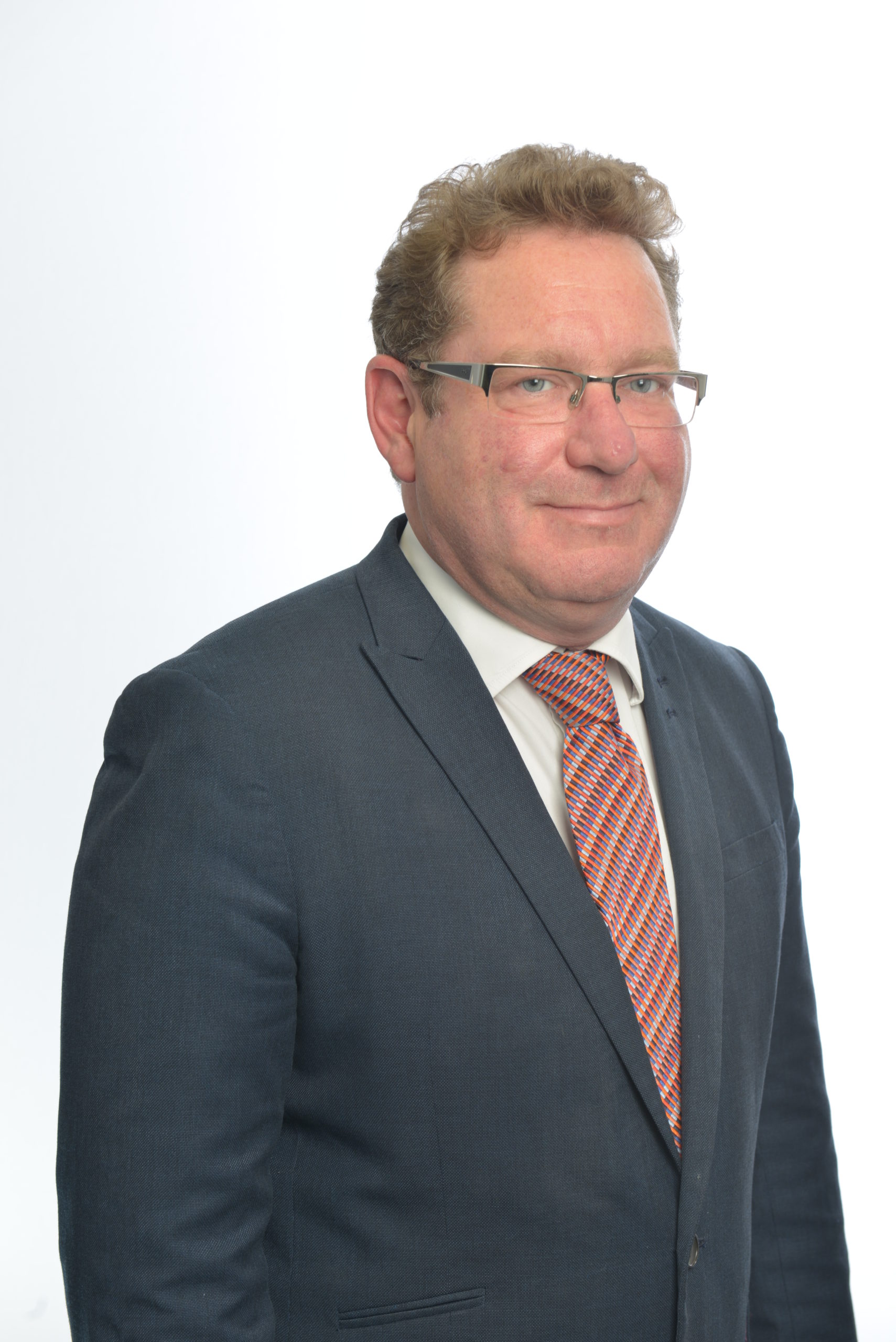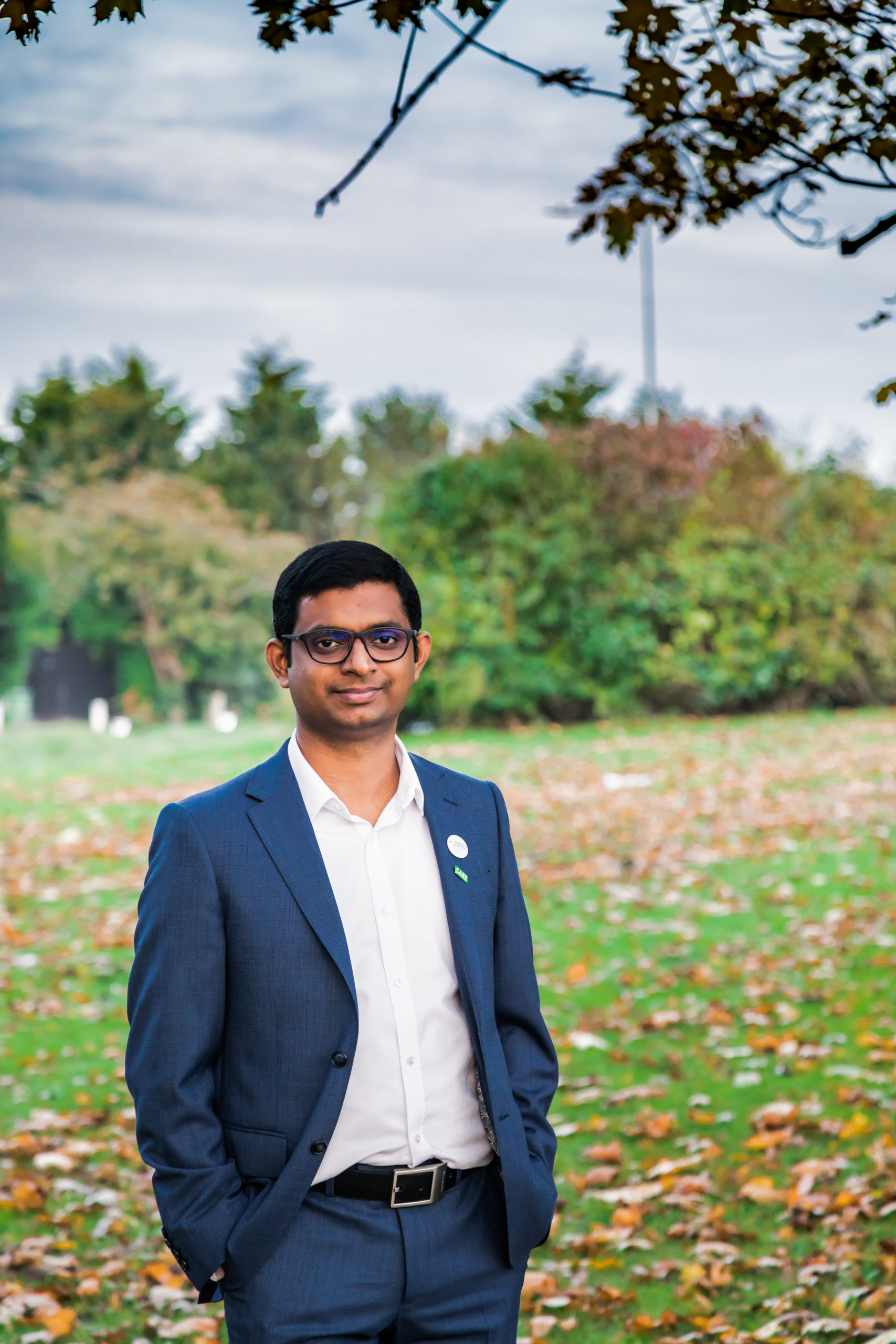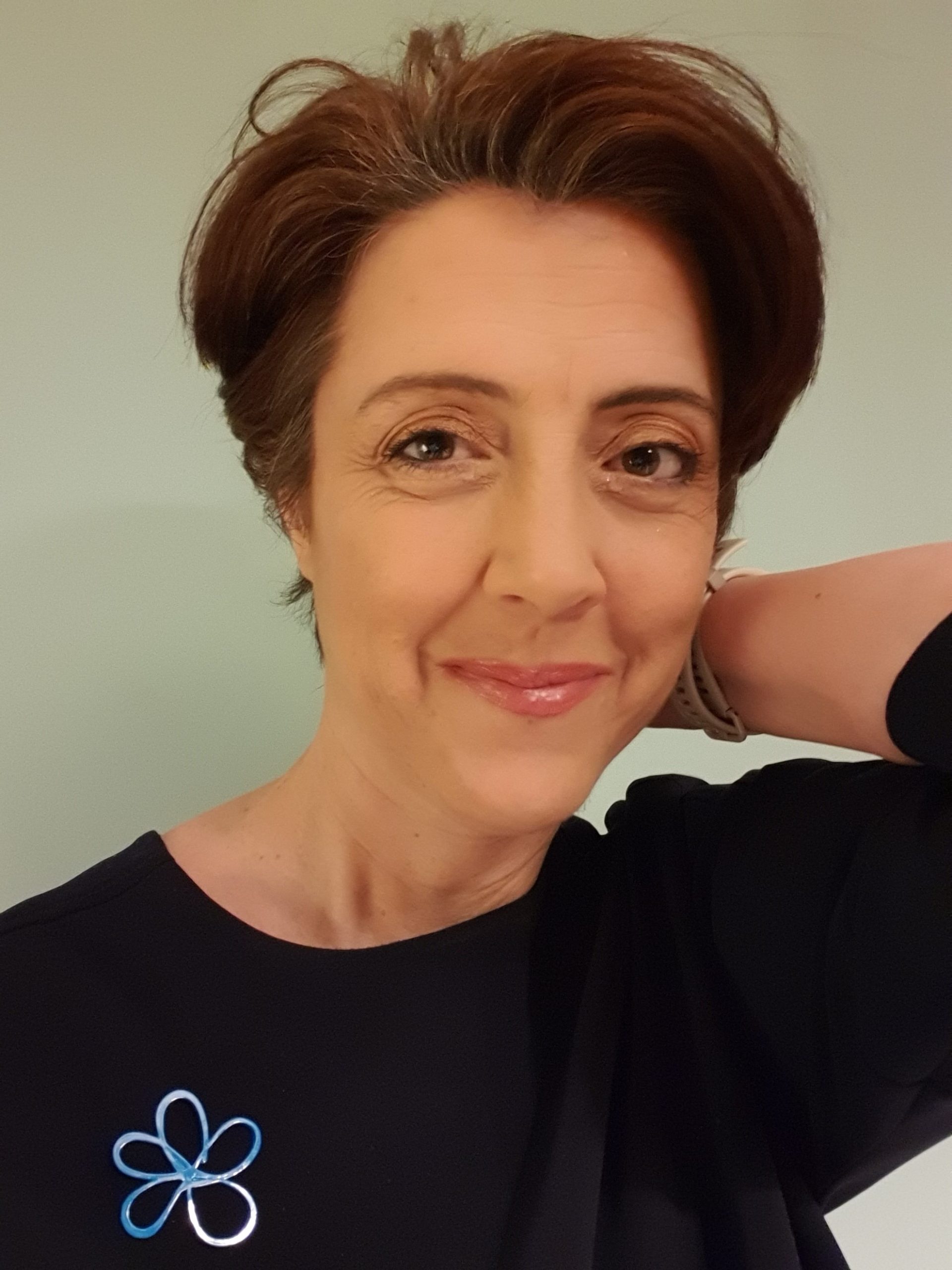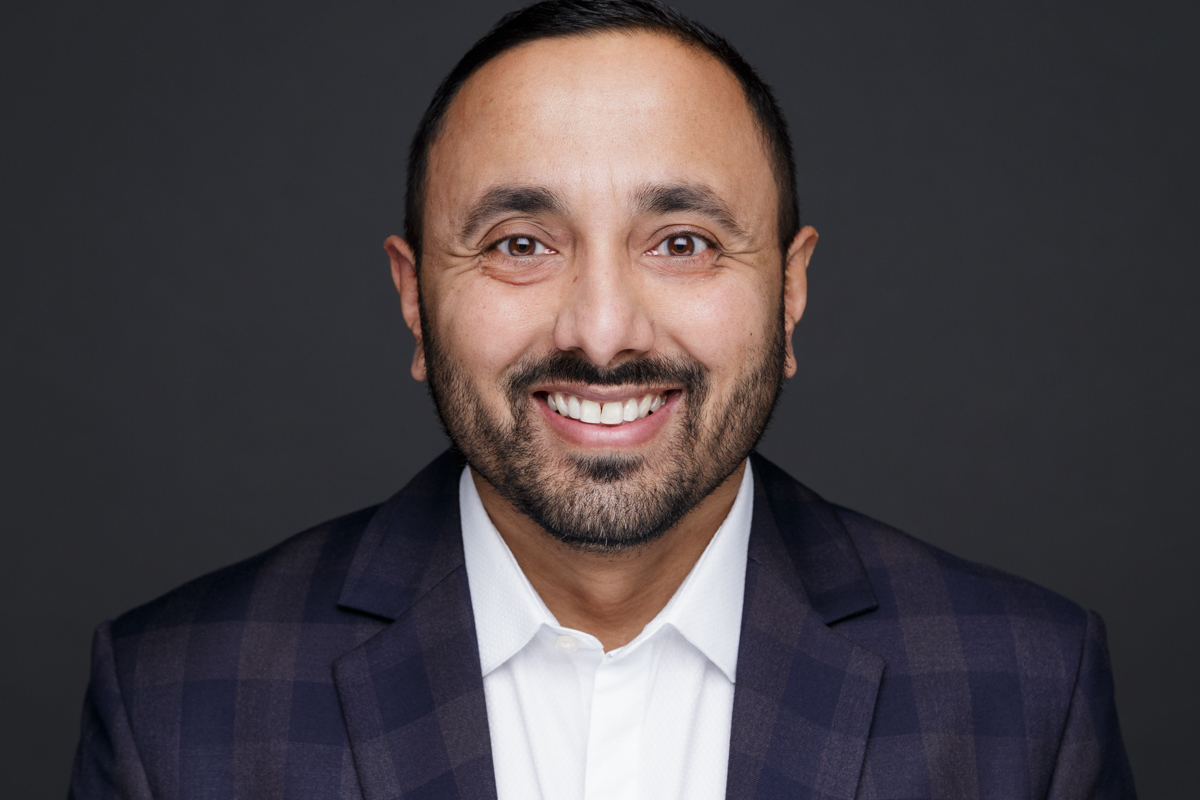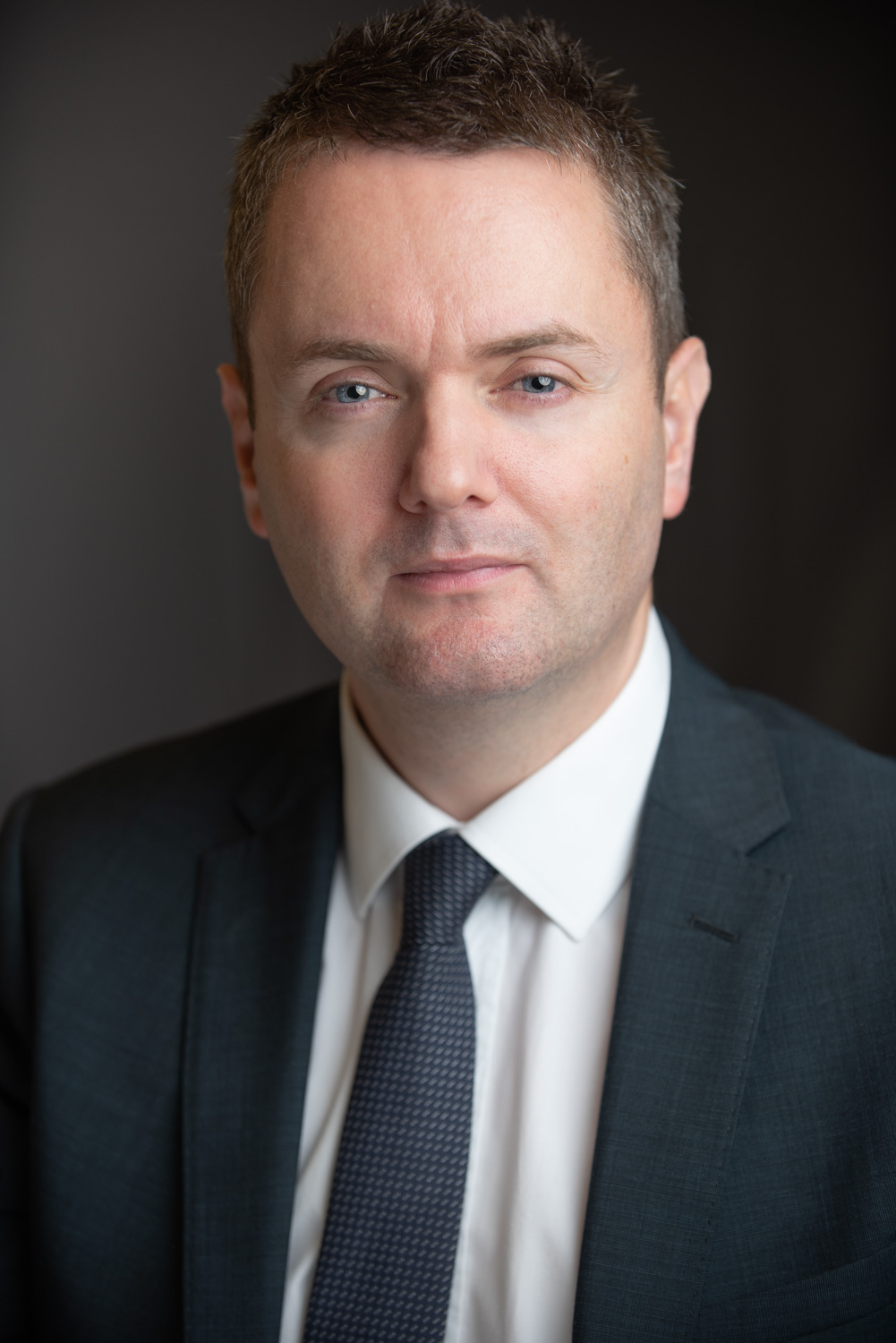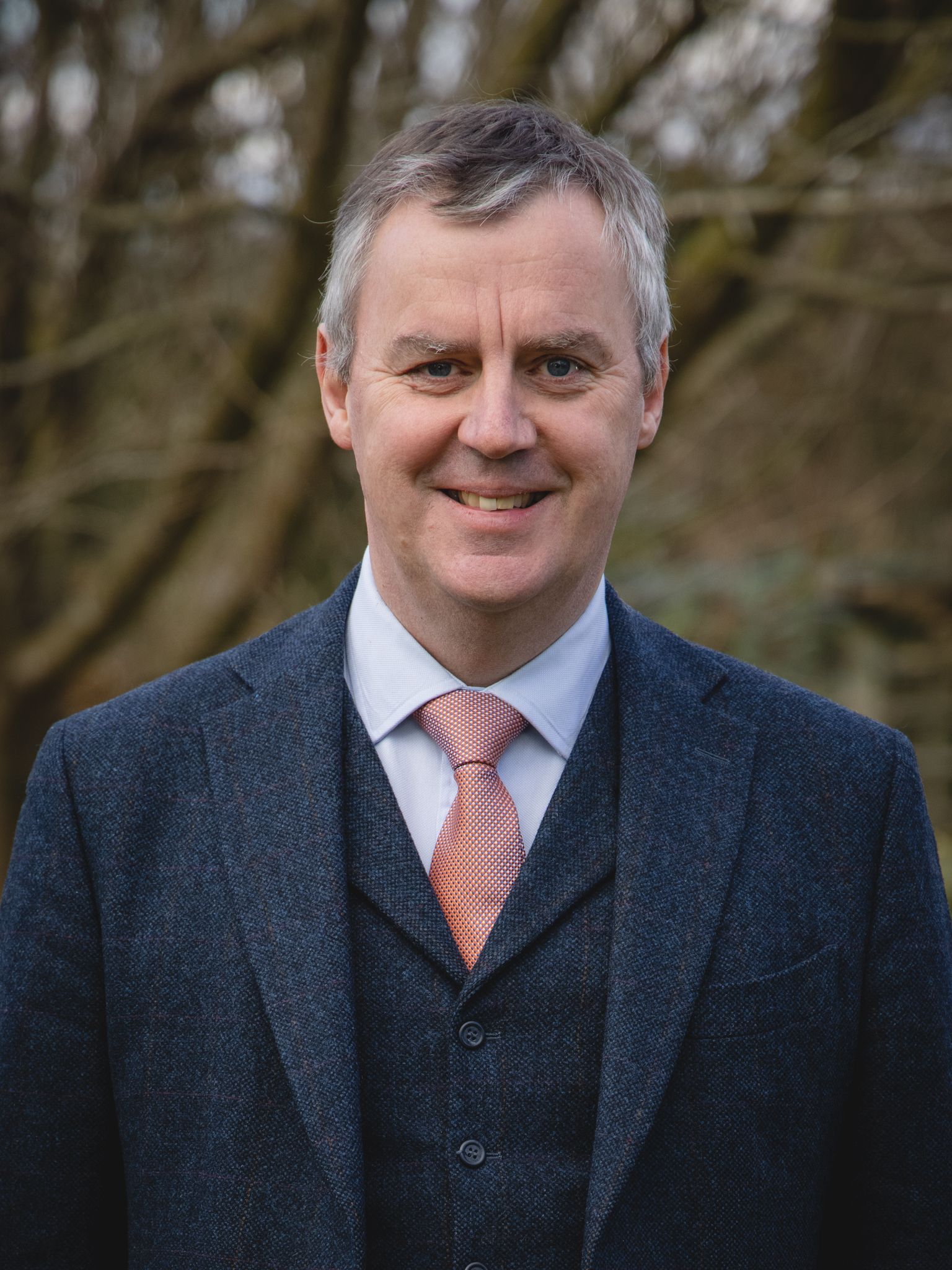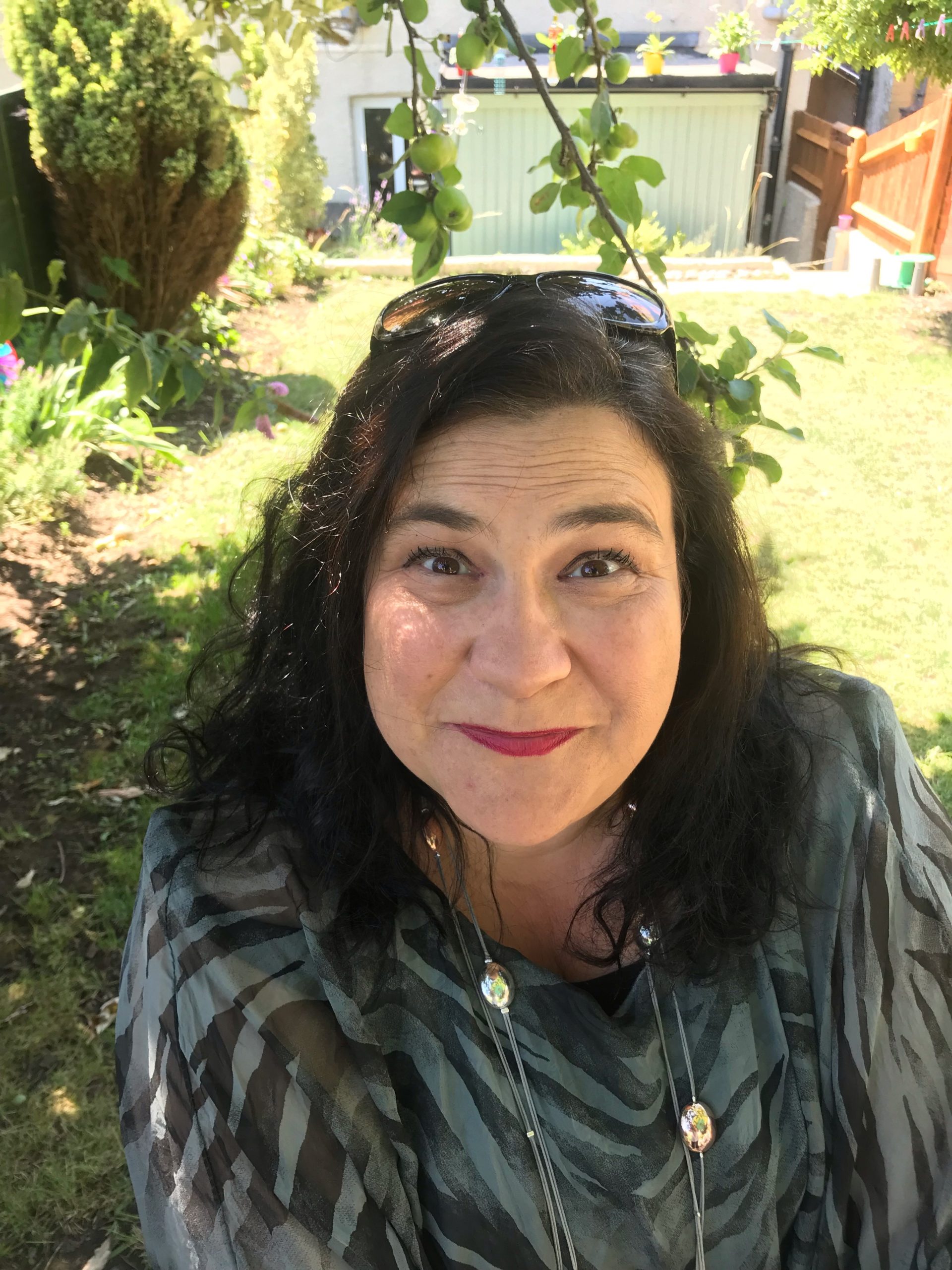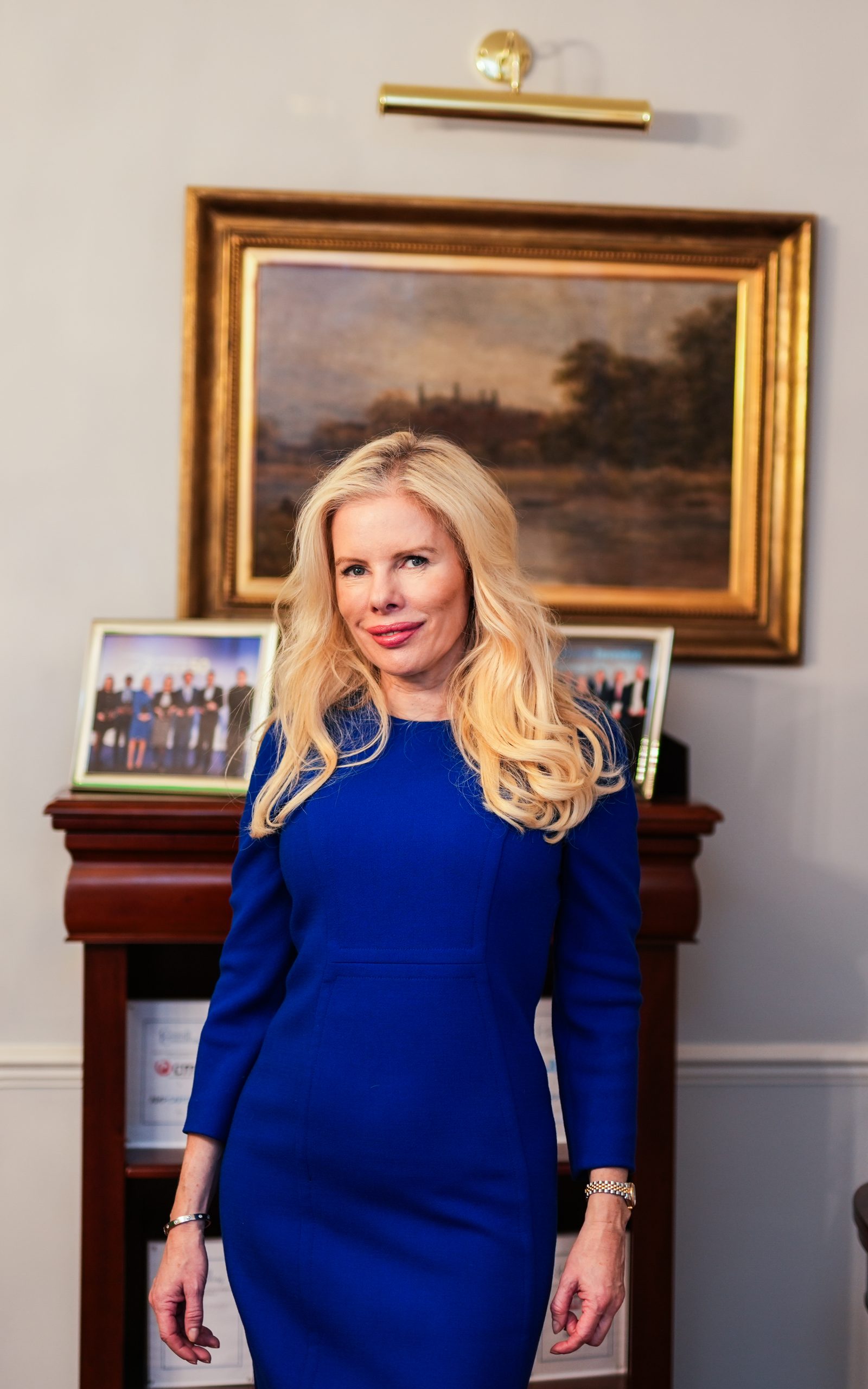
Brabourne Care Centre hosted the first ever Championing Social Care MP Roundtable as part of Care Home Open Week. Here, Genevieve Rodrigues LLB (Hons) — Responsible Individual | SIRO | Registered Manager, Opus Care Limited shares her views on how Independent Care Providers can make a difference
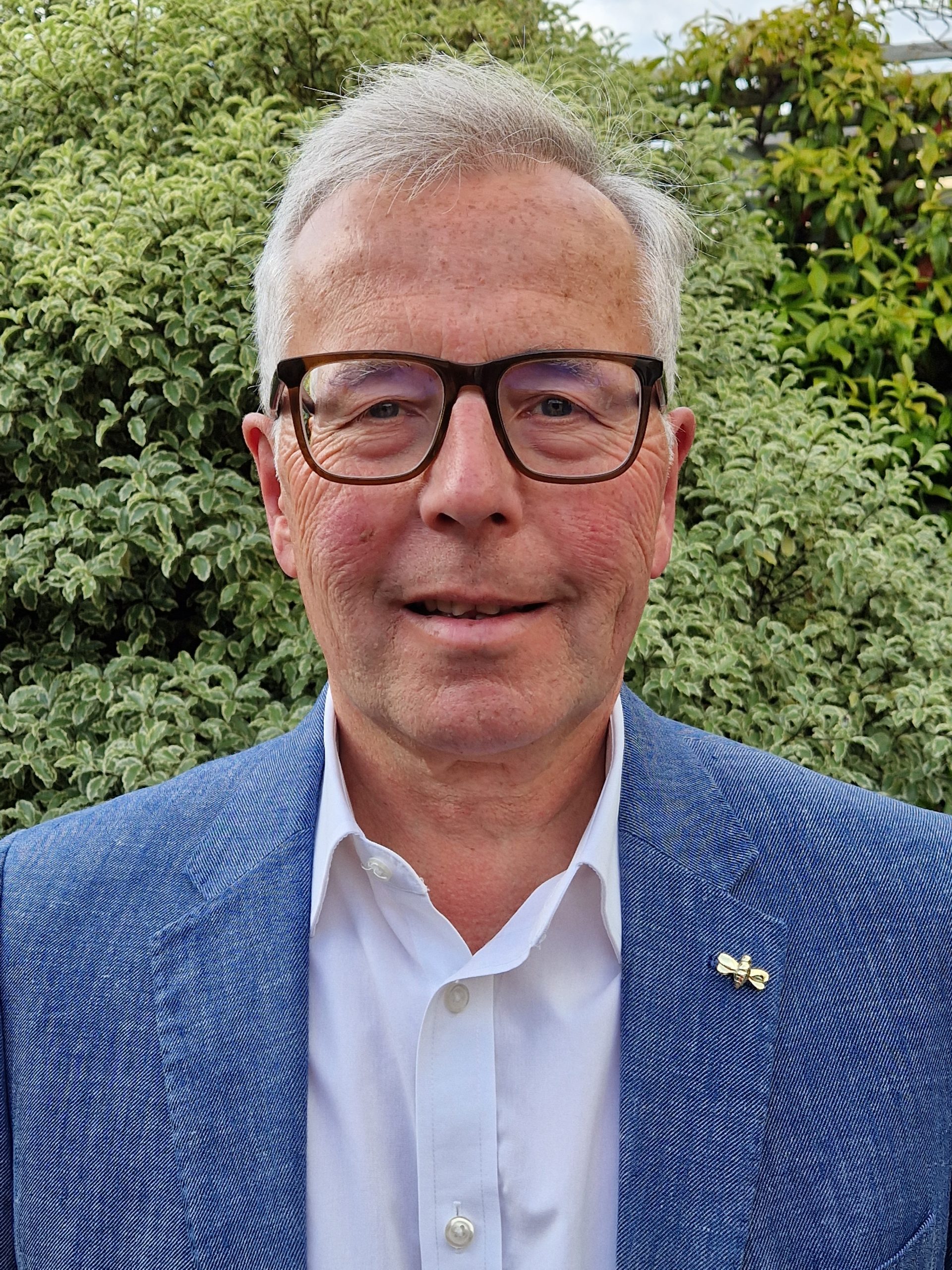
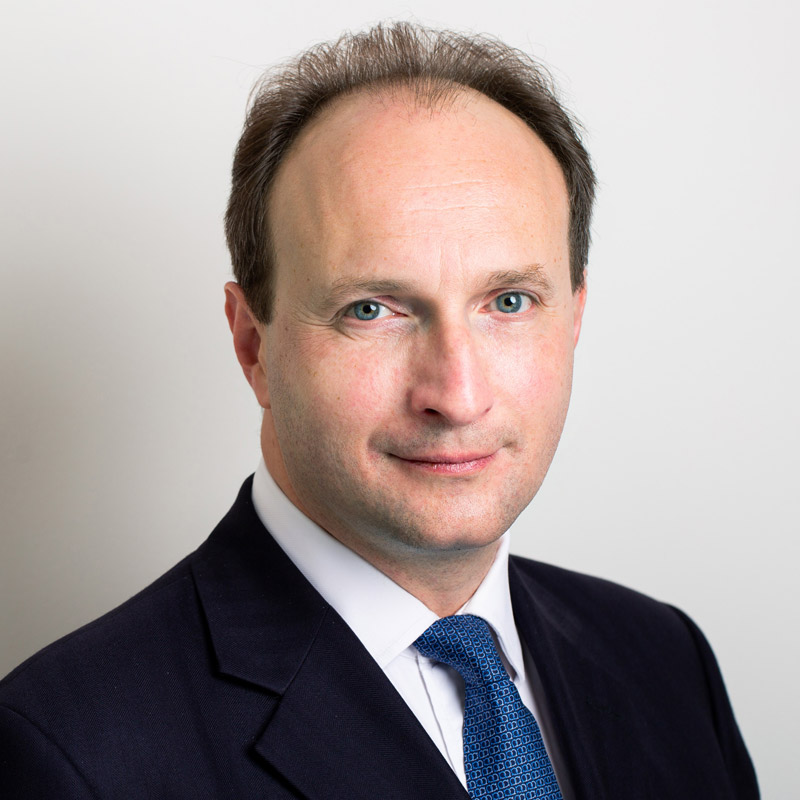
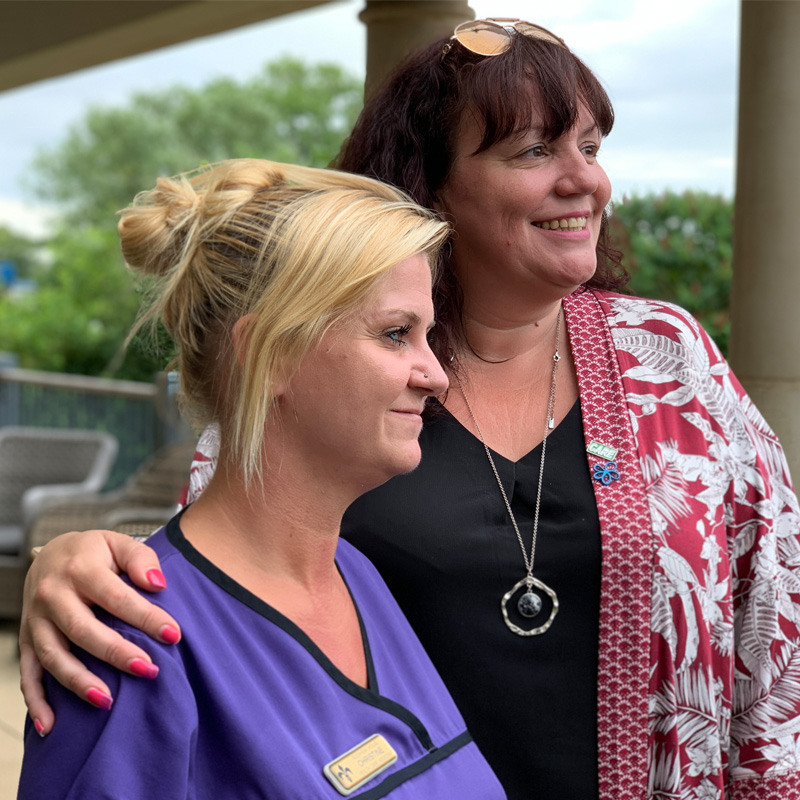
Hosting the Care Home Open Week roundtable at Brabourne Care Centre last month was one of the proudest moments of my career. Chaired by Sojan Joseph MP, and bringing together the National Care Association, the Department of Health and Social Care, Canterbury Christ Church University and other sector voices, it was a rare thing: a room of people from different parts of the system, talking honestly, and with real feeling, about what it will take to build a workforce our sector can rely on.
I came into social care over twenty years ago, following my own experience of being diagnosed with cancer and needing care myself at a frightening time in my life. I saw, from the other side of it, just how much good, compassionate care can mean, not only to the person receiving it, but to their whole family. I did not arrive with a grand plan, simply a wish to give something back, and discovered, almost by accident, that my own skills were transferable into a sector I had never considered. That is the first thing we need young people, career-changers and professionals from entirely different fields, accountants, chefs and creative talent among them, to understand: care is not a narrow, single-track profession. It is a hub of employment in the truest sense.
That is where the image problem sits. Too many people’s first encounter with care is through crisis: a parent struggling, or a grandparent’s sudden hospital admission, and that is not a version of the sector that inspires anyone to build a career in it. Much of the roundtable was spent discussing how to change that story, and I kept returning to a point I feel passionately about: the responsibility for reframing care does not sit solely with government or national campaigns. It sits, in large part, with providers like us.
For us, that means throwing our doors open long before anyone needs care in a clinical sense. We don’t wait for people to grow old before we start helping them, and we don’t wait for local government to fix the system either: small, independent providers are often best placed to move quickly, precisely because we are already embedded where it matters, in a way that larger organisations, for all their resources, sometimes are not. We work with school liaison officers and family liaison officers, and with local community groups such as the Rotary Clubs of Great Britain, to reach families who are struggling, before a crisis brings them to our door. Properly understood, care isn’t only something we deliver to the person who is unwell; it is something we owe to the families and carers supporting them too. Being embedded in a community means showing people, early and often, what this sector really is, and what it could mean for them.
That same sense of responsibility shapes how we treat our own people. We are not in manufacturing; we are in the business of people, and when you invest in people properly, you do not end up with a transient workforce, you end up with a dedicated extension of your family. We support our sponsored international colleagues through the sponsorship process itself, and help them bring their families to the UK as they work towards settlement. Just as importantly, we pay for and cover the cost of training many of those same colleagues from a care role into a registered clinical one: the course fees, the study time, the mentoring it takes for a care assistant to qualify as a nurse. We welcome them back into senior clinical roles once they qualify, and we have built a reciprocal relationship with our local acute trust: our nurses spend time within specialist hospital teams, and their frailty specialists work alongside us in turn. Everybody learns, and everybody benefits, most of all the people in our care.
We also try to nurture the same care and compassion within our own teams that we ask them to show our residents, because a workforce that feels genuinely valued is one that grows, stays, and cares better in turn. Whichever door someone comes through, care, hospitality, marketing, creative talent, or clinical leadership, we want Opus Care to be somewhere they are proud to build a career.
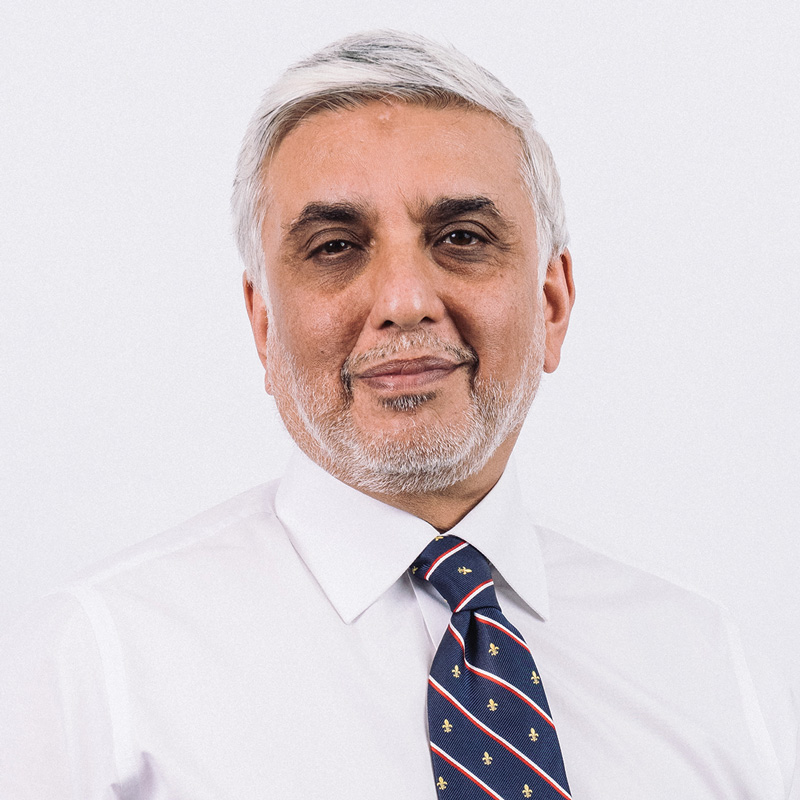
Of course, provider-led effort can only go so far. The roundtable was clear that national reform matters too: a genuine, ring-fenced Fair Pay Agreement that reaches the frontline rather than being absorbed by management fees; a proper professional curriculum running from Level 2 through to Level 7, so a career in care has a visible spine rather than a series of dead ends; and a funding model that stops pitting NHS and local authority budgets against each other while people who could be cared for closer to home sit in hospital beds instead. Above all, people who choose this path, woven into their communities and into genuine partnership with the NHS, deserve pay that is fair and competitive with other industries, in line with the value they bring. I was especially struck, in that room, by the insight of Nadra Ahmed CBE and Melanie Weatherley MBE, whose passion for this sector left a real impression on me, and I hope to keep playing my part in that conversation, including in the negotiations ahead on the Fair Pay Agreement itself.
But my own reflection, sitting in that room, was this. We want young people, and people at every stage of their working lives, to see that care isn’t simply a stopgap job; it is a hub of diverse and meaningful careers. Waiting for permission to build that reality is not something independent providers can afford, and, I would argue, not something we should want. We know our communities. We know our residents. We know our staff, and what they are capable of becoming, if we simply believe in them enough to ask.
If this roundtable achieves nothing else, I hope it leaves every provider in that room asking themselves what they, too, could stop waiting for.
You can read a summary of the roundtable discussion here: